
Unleash Your Inner Genius: Using Your Imagination to Solve Life's Problems
Ever feel stuck, like you’re facing a wall with no door? Life throws curveballs, presents complex challenges, and sometimes, the solutions just aren't obvious. But what if the key to unlocking those solutions wasn't about acquiring more information, but about tapping into something you already possess: your imagination?
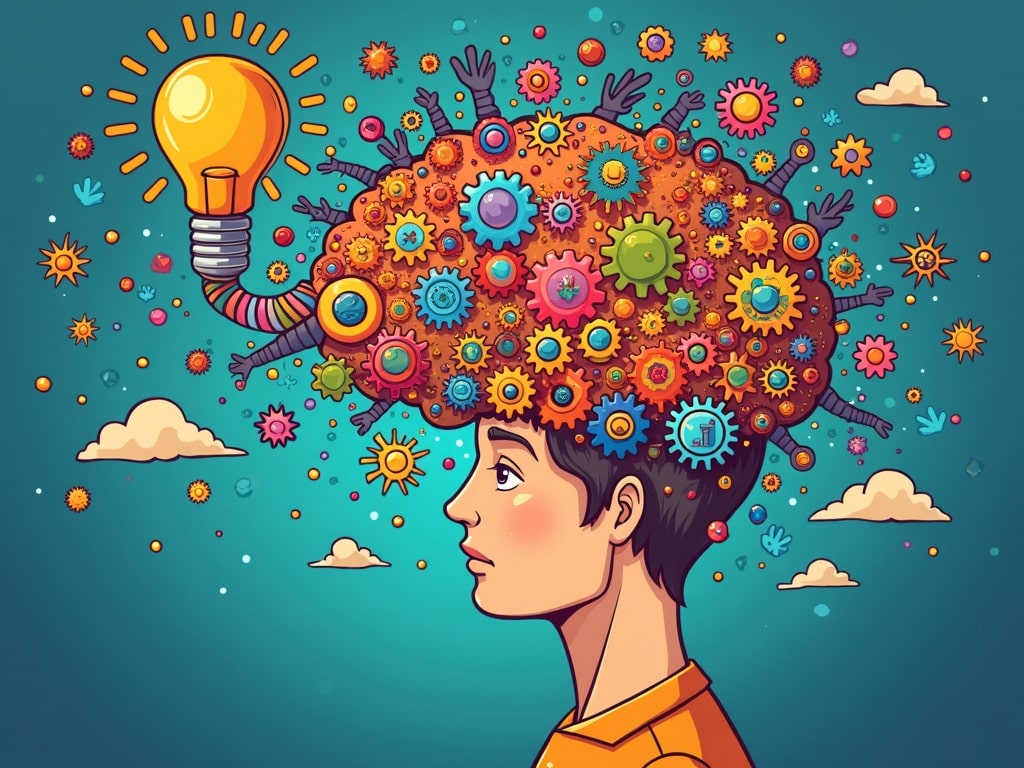
We often relegate imagination to the realm of childhood, associating it with fairy tales and make-believe. But imagination is a powerful cognitive tool. It's the engine of innovation, the seed of creativity, and, most crucially, a potent problem-solving resource. Learning how to intentionally harness your imagination can transform how you navigate obstacles, turning seemingly insurmountable problems into opportunities for growth and ingenuity.
The Untapped Power of Imaginative Problem Solving
Think about some of history's greatest breakthroughs. The Wright brothers didn't just analyze existing data on flight; they imagined a future where humans could soar through the sky. Marie Curie didn't stumble upon radium by accident; she envisioned exploring the invisible world of atomic particles. These weren't just moments of brilliance; they were the results of actively engaging their imaginative faculties.
Imaginative problem-solving involves more than just daydreaming. It's a deliberate process of using visualization, creative thinking techniques, and mental flexibility to explore possibilities and generate novel solutions. It allows you to break free from conventional thinking, challenge assumptions, and consider perspectives you might otherwise miss.
Why Imagination Is Essential in a Complex World
In today's rapidly changing world, rote memorization and rigid adherence to established procedures are no longer enough. The challenges we face are increasingly complex, ambiguous, and require innovative solutions. This is where imagination becomes indispensable.
- Adaptability: Imagination helps you adapt to new situations and unexpected changes by allowing you to envision different scenarios and prepare for various outcomes.
- Innovation: Whether you're trying to improve a process at work or develop a new product, imagination fuels innovation by generating new ideas and approaches.
- Resilience: When faced with adversity, imagination helps you maintain a sense of hope and possibility, allowing you to envision a brighter future and find the strength to persevere.
- Empathy: By imagining yourself in another person's shoes, you can develop a deeper understanding of their perspective and build stronger relationships.
Techniques to Ignite Your Imagination
So, how do you practically cultivate and use your imagination to solve problems? It's a skill that can be developed and honed with practice. Here are several techniques to get you started:
1. Visualization: Creating Mental Images
Visualization is the art of creating vivid mental images. When faced with a problem, try to visualize different scenarios, solutions, and outcomes. Imagine yourself successfully overcoming the challenge. Engage all your senses – what do you see, hear, feel, smell, and even taste in your imagined scenario?
For example, if you're struggling with a difficult conversation, visualize yourself calmly and confidently expressing your thoughts and feelings. Imagine the other person responding positively and respectfully. This mental rehearsal can help you approach the actual conversation with greater confidence and clarity.
2. Brainstorming: Unleashing a Torrent of Ideas
Brainstorming is a classic technique for generating a large number of ideas in a short period. The key is to suspend judgment and encourage wild, unconventional thinking. Don't censor yourself or dismiss any idea as too outlandish. The goal is to create a free-flowing stream of possibilities. Once you have a comprehensive list, you can then evaluate each idea and select the most promising ones.
3. What If Scenarios: Exploring Alternative Realities
Asking what if questions can open up new avenues of exploration and challenge your assumptions. What if you could ignore all the constraints and limitations? What if you had unlimited resources? What if you approached the problem from a completely different angle? These questions can help you break free from rigid thinking and consider possibilities you may have previously overlooked.
4. Mind Mapping: Visualizing Connections
Mind mapping is a visual technique for organizing and connecting ideas. Start with the central problem in the middle of a page and then branch out with related ideas, concepts, and associations. Use colors, images, and symbols to make the map more visually appealing and memorable. Mind mapping can help you see the bigger picture, identify patterns, and discover new relationships between seemingly unrelated concepts.
5. Role-Playing: Stepping into Another's Shoes
When dealing with interpersonal conflicts or trying to understand someone else's perspective, role-playing can be a powerful tool. Imagine yourself as the other person and try to see the situation from their point of view. What are their motivations, fears, and concerns? How would they approach the problem? This exercise can help you develop empathy and find solutions that address the needs of all parties involved.
6. Storytelling: Weaving Narratives to Find Meaning
Storytelling is a fundamental human way of making sense of the world. When faced with a complex problem, try to frame it as a story. Who are the characters? What is the conflict? What are the possible resolutions? By creating a narrative around the problem, you can gain new insights and identify potential solutions. Stories can also help you communicate the problem and your proposed solutions to others in a more engaging and memorable way.
Overcoming Blocks to Imagination
Despite its immense potential, imagination can be stifled by various factors. Recognizing and addressing these blocks is crucial for unlocking your creative potential.
- Fear of Failure: The fear of making mistakes or being judged can inhibit your willingness to take risks and explore new ideas. Embrace failure as a learning opportunity and remember that even the most successful people have experienced numerous setbacks along the way.
- Negative Self-Talk: Self-criticism and limiting beliefs can undermine your confidence and creativity. Challenge negative thoughts and replace them with positive affirmations. Remind yourself of your strengths and past successes.
- Lack of Time and Space: A busy and stressful environment can leave little room for imagination to flourish. Make time for activities that stimulate your creativity, such as reading, listening to music, spending time in nature, or simply allowing yourself to daydream.
- Conformity: The pressure to conform to social norms and expectations can stifle originality and innovation. Be willing to challenge the status quo, think outside the box, and express your unique perspective.
Integrating Imagination into Your Daily Life
Using your imagination isn't something you reserve for special occasions; it's a muscle you need to exercise regularly. Here’s how to weave imaginative practices into your everyday routines:
- Embrace Curiosity: Cultivate a sense of wonder and curiosity about the world around you. Ask questions, explore new interests, and be open to new experiences.
- Practice Mindfulness: Pay attention to your thoughts and feelings without judgment. This can help you become more aware of your inner world and tap into your creative potential.
- Engage in Creative Activities: Make time for activities that you enjoy and that allow you to express yourself creatively, such as painting, writing, playing music, or dancing.
- Surround Yourself with Inspiration: Create an environment that stimulates your imagination. Fill your home or workspace with art, books, and objects that inspire you.
- Connect with Other Creative People: Surround yourself with people who are passionate about creativity and innovation. Share ideas, collaborate on projects, and learn from each other.
The Transformative Impact of Imagination
Learning to strategically utilize your imagination when problem-solving allows you to see challenges not as roadblocks, but as creative prompts. It shifts your perspective from limitations to possibilities. The benefits extend beyond just finding solutions; employing imagination builds mental resilience, enhances your ability to adapt, and cultivates a richer, more fulfilling life.
By consciously developing your imaginative capabilities, you unlock a powerful resource that can help you overcome obstacles, achieve your goals, and live a more creative and meaningful life. It’s about remembering the playful, inventive spirit we often leave behind in childhood, and purposefully bringing it to bear on the complexities of adulthood. So, go ahead, dream a little. Your solutions might just be a flight of fancy away. For more on cultivating creativity, check out this resource: [externalLink insert]