
How to Use Imagination for Self-Healing
Imagine a world where your mind is your medicine cabinet. Where the power to heal isn't some mystical concept, but a practical tool you wield every day. That world is closer than you think. Your imagination, often relegated to daydreams and creative pursuits, is a potent force for self-healing. It's a wellspring of resilience, capable of reshaping your inner landscape and alleviating both physical and emotional suffering. This article will explore how to consciously harness that power, turning your imaginative abilities into a source of profound well-being.
The Science Behind the Imagination-Healing Connection
For a long time, the idea of using imagination for healing was brushed aside as pseudoscience. However, modern research reveals the intricate link between the mind and body, specifically how thoughts and mental imagery can impact our physiology. This isn't about wishful thinking; it's about tapping into the brain's ability to influence the nervous system, hormonal balance, and even the immune response.
The Placebo Effect: A Glimpse into Imagination's Power
The placebo effect is a prime example of the mind's influence on physical health. When patients believe they're receiving treatment, even if it's a sugar pill, they often experience real improvements. This isn't just about tricking the mind; it's about activating the body's natural healing mechanisms through expectation and belief. Imagination plays a critical role in shaping these expectations, allowing individuals to visualize positive outcomes and experience their benefits.
Neuroplasticity: Rewiring Your Brain for Healing
Neuroplasticity is the brain's remarkable ability to reorganize itself by forming new neural connections throughout life. Our thoughts, feelings, and experiences shape these connections, essentially rewiring our brains. By intentionally using imagination, we can create new neural pathways that support healing and well-being. For example, visualizing yourself successfully overcoming a challenge can strengthen the neural connections associated with resilience and self-efficacy.
The Mind-Body Connection: A Two-Way Street
The mind and body are not separate entities; they are constantly communicating with each other. Stress, anxiety, and negative emotions can weaken the immune system and increase susceptibility to illness. Conversely, positive emotions, relaxation, and mental imagery can promote healing and resilience. Imagination provides a powerful tool for managing emotions and fostering a sense of well-being, which in turn supports the body's natural healing processes.
Practical Techniques to Harness Your Imagination for Healing
Now that we understand the science behind the imagination-healing connection, let's explore some practical techniques you can use to tap into this power:
Guided Imagery: A Journey into Healing
Guided imagery involves using mental images to create a sense of relaxation, reduce stress, and promote healing. It often involves listening to a narrator who guides you through a specific scene or scenario, encouraging you to use all of your senses to vividly imagine the experience. Here’s how to practice:
- Find a quiet space: Choose a comfortable place where you won't be disturbed.
- Relax your body: Start by taking a few deep breaths and consciously relaxing your muscles.
- Listen to a guided imagery script: You can find numerous free and paid guided imagery recordings online or work with a trained practitioner.
- Engage your senses: As you listen to the script, try to vividly imagine the sights, sounds, smells, tastes, and textures of the scene.
- Focus on your intention: If you're using guided imagery for healing, focus on visualizing yourself as healthy and whole.
For example, you might visualize yourself standing in a peaceful forest, feeling the warmth of the sun on your skin, and listening to the gentle sounds of nature. As you breathe in the fresh air, imagine it filling your body with healing energy.
Visualization: Creating Your Desired Reality
Visualization is a technique that involves creating mental images of your desired outcomes. It's a powerful tool for attracting positive experiences into your life and promoting healing. Here’s how to use visualization effectively:
- Set a clear intention: What do you want to achieve or heal? Be specific and clear about your goal.
- Create a vivid mental image: Imagine yourself already having achieved your goal. See yourself as healthy, happy, and successful.
- Engage your emotions: Feel the emotions associated with achieving your goal. Feel gratitude, joy, and excitement.
- Practice regularly: Visualize your desired outcome every day, even if it's just for a few minutes.
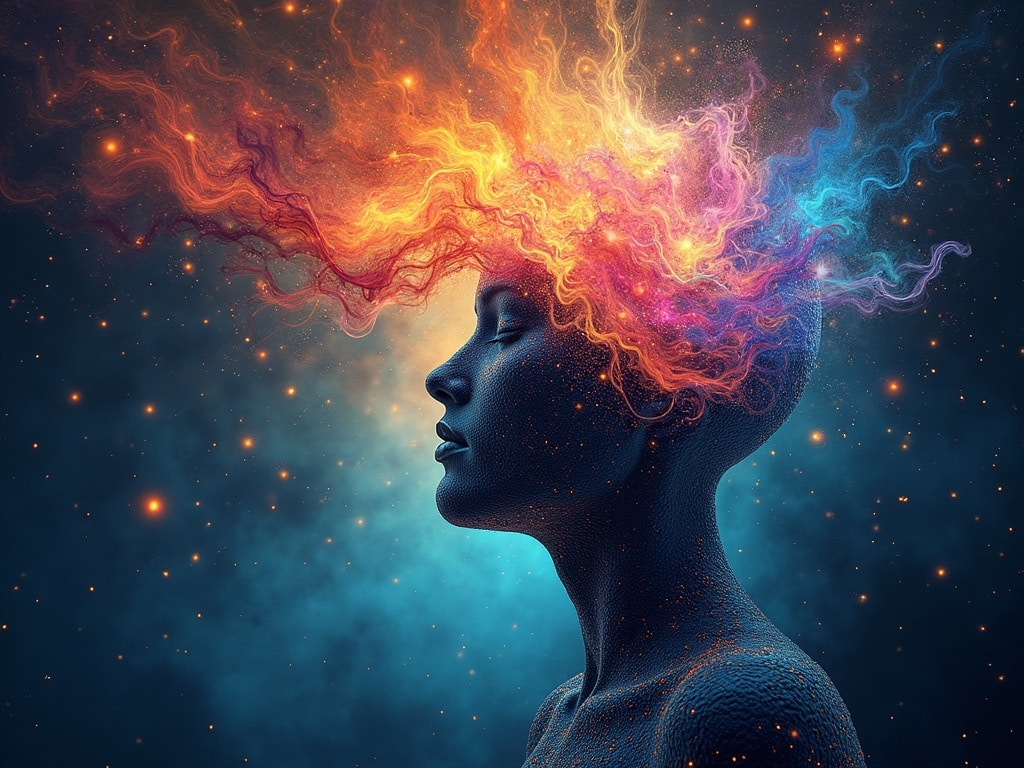
For instance, if you're recovering from an injury, you might visualize yourself moving freely and painlessly. See yourself engaging in activities you enjoy, feeling strong and capable.
Creative Expression: Unleashing Your Inner Healer
Engaging in creative activities like painting, writing, music, or dance can be a powerful way to tap into your imagination and promote healing. These activities allow you to express your emotions, explore your inner world, and connect with your creativity.
- Don't worry about being good at it: The focus should be on the process of creation, not the end product.
- Experiment with different mediums: Find what resonates with you.
- Let your emotions guide you: Allow your feelings to flow freely through your chosen medium.
- Reflect on your creations: What do they tell you about yourself and your healing journey?
For example, you might paint a picture of how you envision yourself feeling after you've healed, write a poem about your journey, or dance to music that inspires you.
Dream Work: Decoding Your Subconscious
Dreams are a rich source of information from our subconscious mind. By paying attention to your dreams and interpreting their symbolism, you can gain valuable insights into your emotions, fears, and desires. Dream work can be a powerful tool for self-healing, helping you to identify and address underlying issues that may be contributing to your challenges.
- Keep a dream journal: Record your dreams as soon as you wake up, even if you only remember fragments.
- Look for recurring themes and symbols: What images, people, or situations appear repeatedly in your dreams?
- Explore the emotions associated with your dreams: How did you feel during the dream? What emotions lingered after you woke up?
- Interpret the meaning of your dreams: What might your dreams be trying to tell you? You can use dream dictionaries or consult with a dream therapist for guidance.
Overcoming Challenges and Maximizing Your Imagination's Healing Potential
While using imagination for self-healing can be incredibly powerful, it's important to be aware of potential challenges and learn how to overcome them:
Dealing with Resistance and Doubt
It's common to experience resistance or doubt when first exploring these techniques. You might question whether they're real or effective. Remember that the mind-body connection is supported by scientific evidence, and that even small shifts in your thoughts and beliefs can have a significant impact on your health. Start with small steps, be patient with yourself, and celebrate your progress along the way.
Managing Negative Thoughts and Emotions
If you're dealing with negative thoughts or emotions, it can be challenging to focus on positive imagery. In these cases, it's important to acknowledge and process your feelings before attempting to use imagination for healing. Techniques like mindfulness meditation, journaling, or talking to a therapist can be helpful for managing difficult emotions.
Integrating Imagination with Conventional Medicine
Imagination techniques are not a replacement for conventional medical treatment. It's essential to consult with a healthcare professional for any health concerns and to follow their recommendations. However, you can use imagination to complement your medical treatment and enhance your healing process. For example, you might visualize your medication working effectively or imagine your body successfully fighting off an infection. Learn more about the mind/body connection and how it is being used in different theraputic implementations [externalLink insert]
The Limitless Potential of Your Imagination
Learning how to use imagination for self-healing is an ongoing journey. Be patient, persistent, and open to new possibilities. As you continue to explore these techniques, you'll become more attuned to the power of your mind and its ability to heal your body and spirit. Remember, your imagination is a boundless resource. By consciously harnessing its power, you can unlock your inner healer and create a life filled with greater well-being, resilience, and joy.